

21 Cup Games Ideas You’ll Want to Pin and Try Today
Cup games have quietly become one of the most flexible sources of entertainment for parties, classrooms, and quiet afternoons at home. A single stack of plastic or paper cups can turn into a rhythm challenge, a building puzzle, or a team competition within seconds. What makes these games so appealing is how little they demand while still sparking genuine creativity in players of every age.
This list pulls together a wide range of cup games ideas, from fast-paced stacking challenges to quiet, focus-driven activities. Some work best in noisy group settings, while others shine as calm solo exercises. Treat every idea here as a starting point you can shape around your own space, group size, and mood.
Best Cup Games Ideas to Try
Cup games ideas naturally fall into a few broad families: stacking, rhythm, tossing, and cooperative building. Stacking-based versions reward speed and precision, while rhythm games lean on timing and memory instead of raw physical skill. Tossing games bring a playful, competitive edge that works well outdoors or at parties.
Cooperative and sensory-based cup games ideas, on the other hand, focus more on patience and shared problem-solving than on winning. None of these categories are fixed rules, so feel free to blend elements from different styles. The goal is inspiration, not a rigid formula you have to follow exactly.
Cup Stacking Speed Challenge
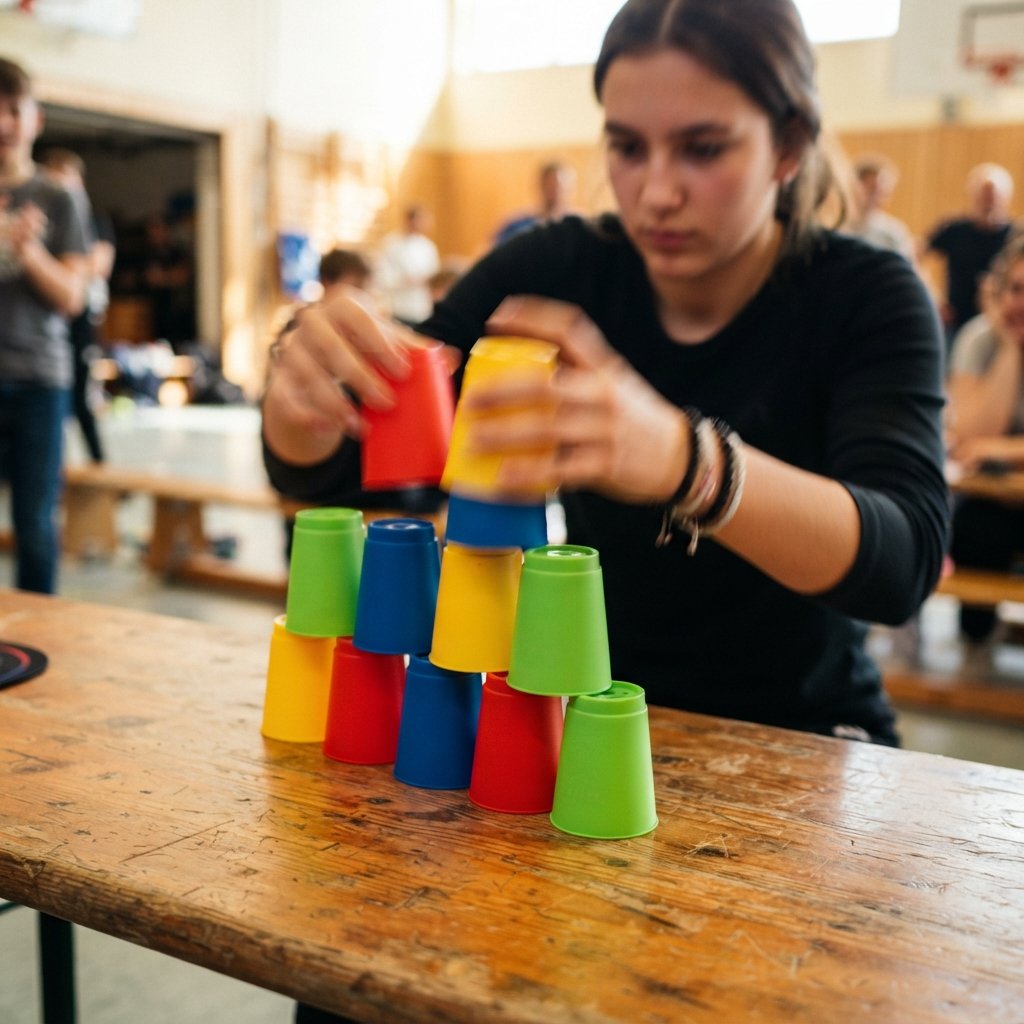
This idea centers on how quickly a player can stack and then break down a set of cups in a specific order. Players usually work with anywhere from three to twelve cups, depending on available space and skill level.
Timing each attempt with a stopwatch adds a competitive layer that keeps players coming back for another round. Small groups often turn this into a rotating challenge, comparing personal best times across several attempts in one sitting.
Rhythmic Cup Tapping Game

Built around a repeating beat, this version asks players to tap, flip, and slide a single cup in sync with a chosen rhythm. It works especially well in group settings where everyone performs the same sequence together.
Mistakes usually mean falling out of sync rather than losing outright, which keeps the mood light. Music teachers sometimes use this format to introduce timing and coordination without needing any instruments at all.
Cup Pyramid Building Idea
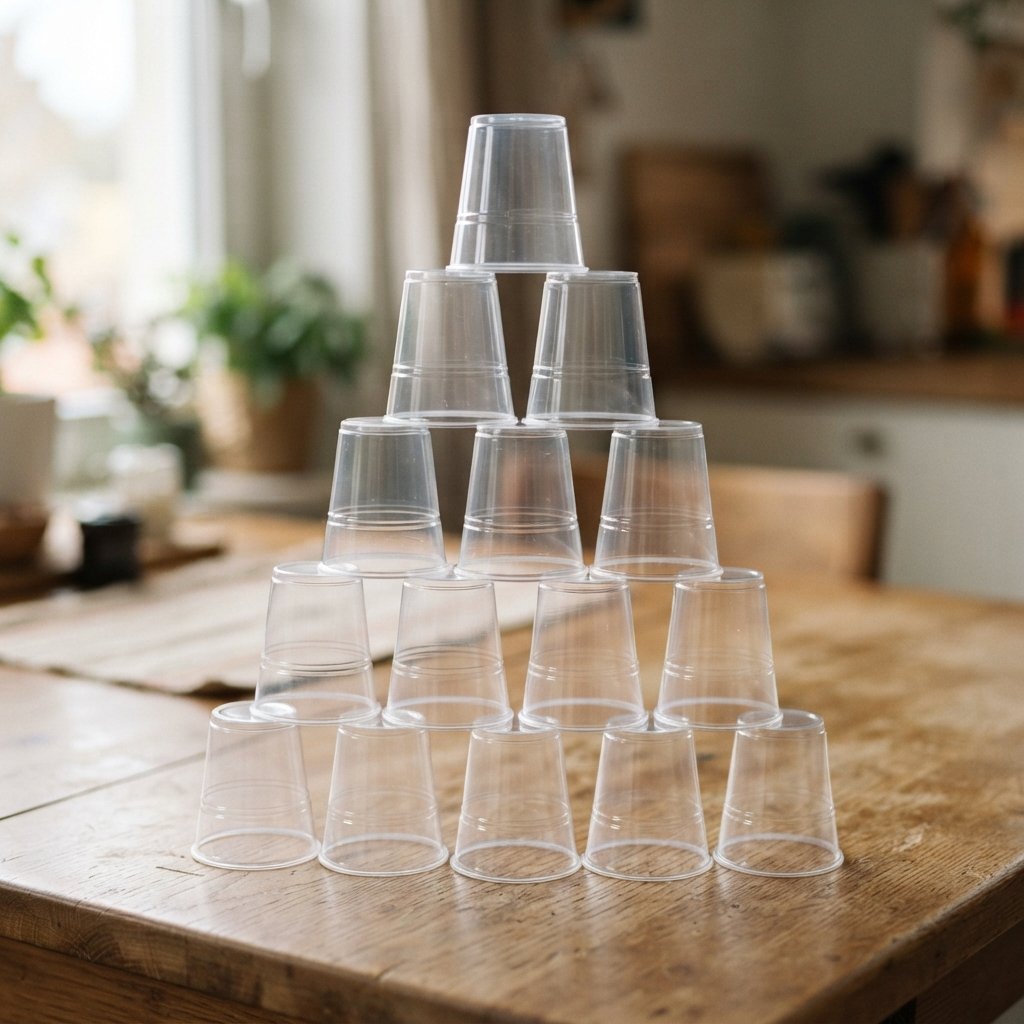
Instead of racing against a clock, this idea rewards careful, deliberate stacking into a triangular or pyramid shape. Players decide how tall or wide the structure becomes before attempting to complete it cleanly.
Wider bases tend to feel more stable, while taller designs introduce a satisfying element of risk. Groups often turn this into a friendly contest over who can build the most ambitious structure without it collapsing.
Read More: 21 Cup Tea Ideas: Cozy, Cute & Totally Pinnable
Team Relay Cup Stacking

This version splits players into small teams that race to complete identical stacking patterns one after another. Each teammate takes a turn before tagging the next person in line to continue the sequence.
Communication between teammates becomes just as important as individual stacking speed here. Larger groups enjoy this format because it keeps everyone actively involved rather than watching from the sidelines the entire time.
Musical Cups Rhythm Idea

Similar to musical chairs, this idea combines cup tapping with a stop-and-start rhythm dictated by music playing in the background. When the music pauses, players must freeze mid-motion without disturbing their cup.
Anyone caught moving after the music stops is eliminated from that round. This format works particularly well for younger players who enjoy both the challenge and the playful unpredictability of the music.
Cup Toss Target Game

Here, players toss small objects like balls or bean bags into a lineup of cups positioned at varying distances. Points are usually assigned based on how far or difficult each cup is to hit.
Adjusting the distance or cup size instantly changes the difficulty level for different age groups or skill levels. Outdoor settings work particularly well for this idea since there is more room to experiment with layout.
Balance the Cup Challenge

This idea tests steadiness rather than speed, asking players to balance a cup on an object like a spoon, a ruler, or even their own hand. Any wobble that causes the cup to fall ends that attempt.
Adding a short walking distance while balancing increases the challenge considerably for more experienced players. Beginners can start with a stationary version before gradually introducing movement into the activity.
Cup Flip Trick Idea
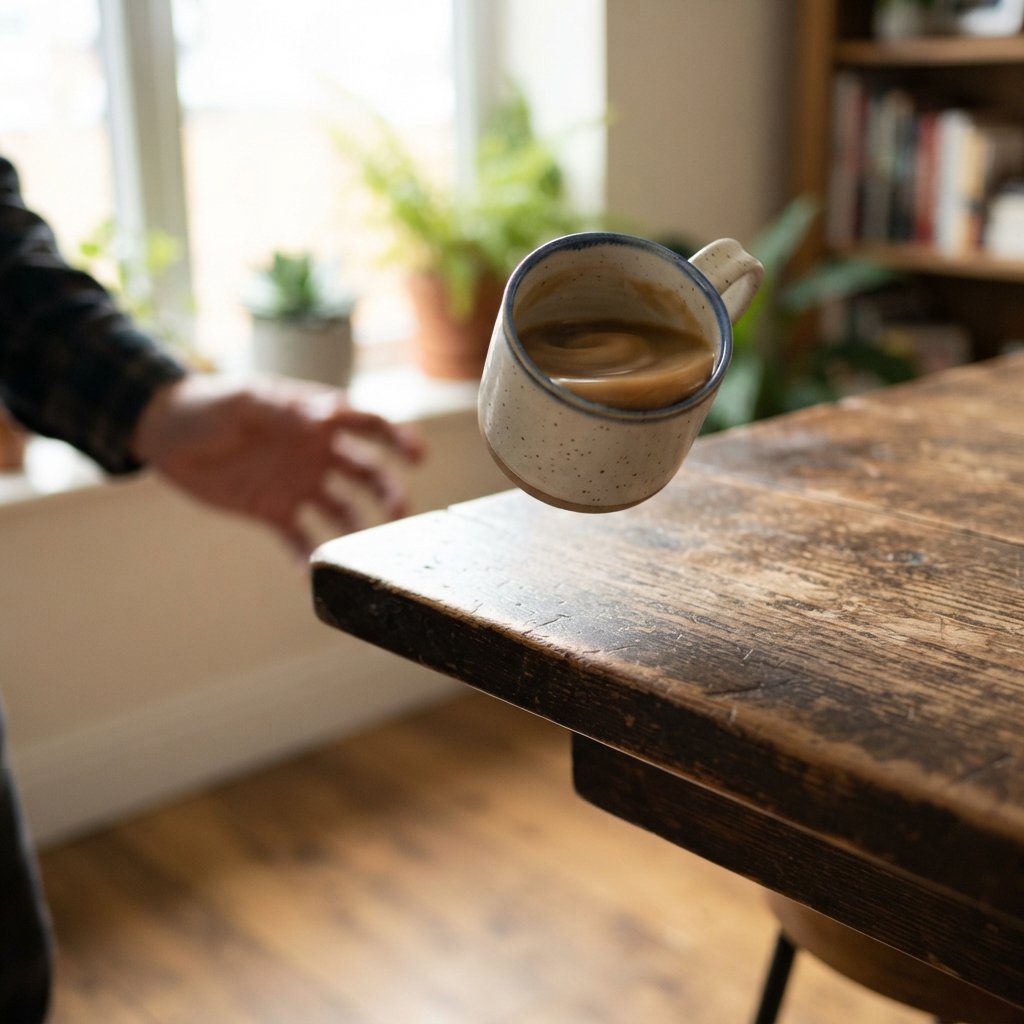
Popularized in various forms online, this idea involves flipping a cup off a table’s edge so it lands upright on its base. Successful flips typically require a controlled push rather than excessive force.
Players often set a target number of successful flips in a row before passing the turn to someone else. This idea works well as a quiet, repetitive activity that still feels rewarding with each success.
Blindfolded Cup Stacking
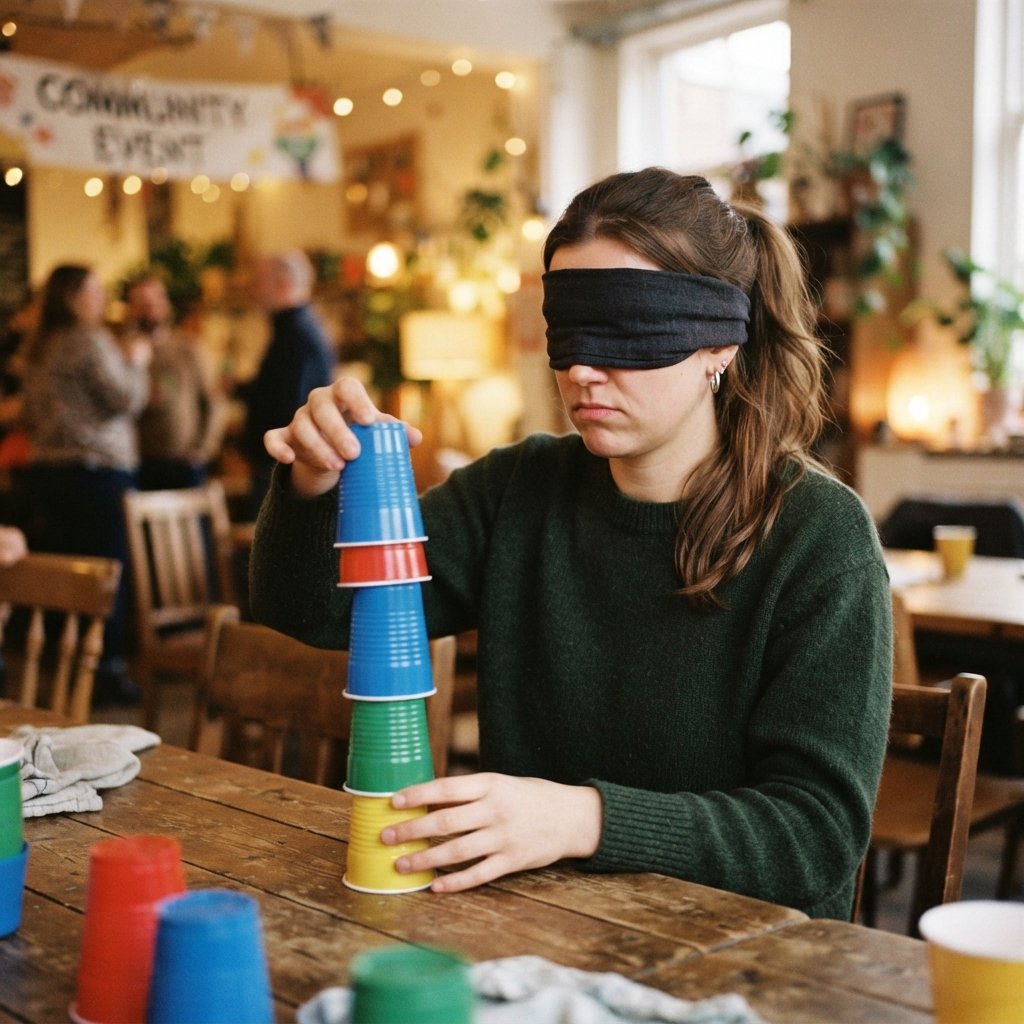
Removing sight from the equation turns an otherwise simple stacking activity into a genuine test of memory and spatial awareness. Players memorize cup positions beforehand, then attempt to stack or rearrange them blindfolded.
This version tends to generate laughter as players fumble through the process together. It also works surprisingly well as a trust-building exercise when one teammate guides another through spoken directions only.
Cup Tower Race Idea
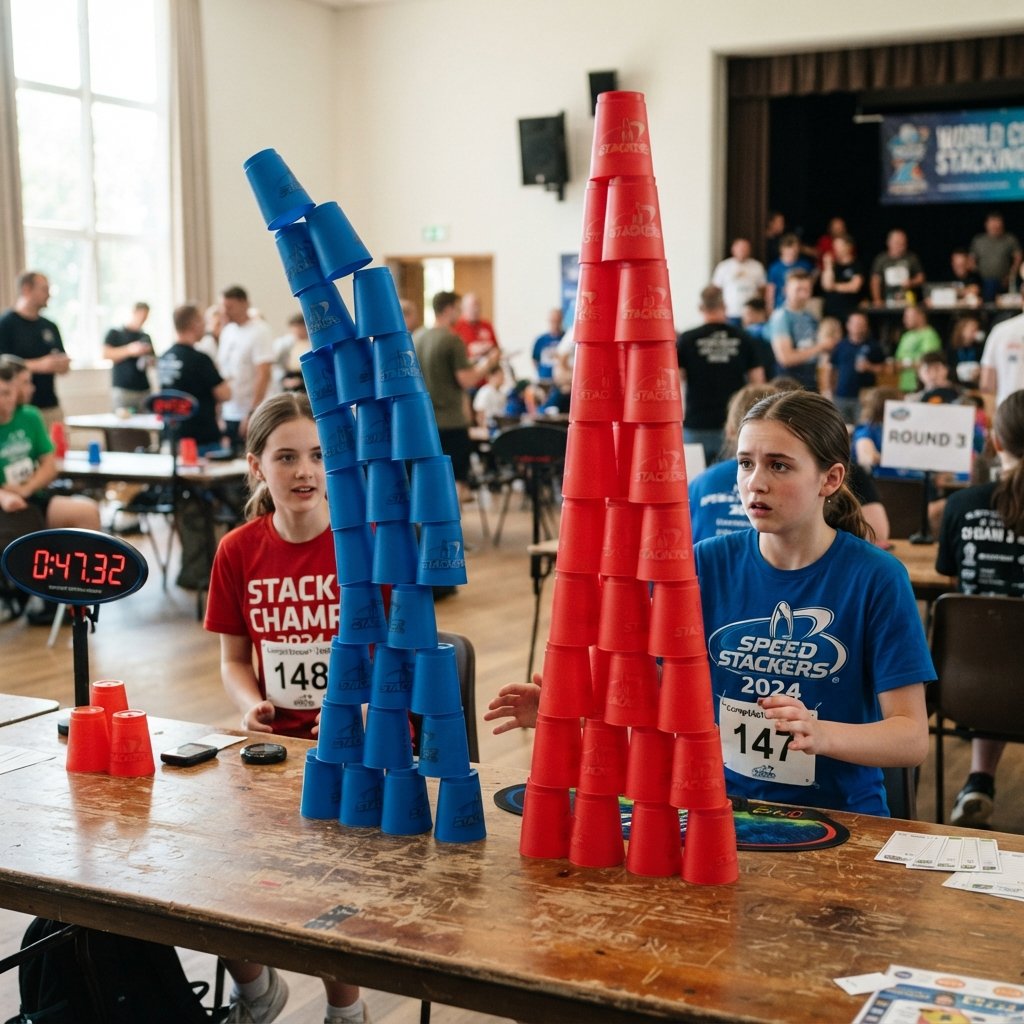
Two or more players compete to build the tallest stable tower using an identical number of cups within a set time limit. Structural strategy matters just as much as raw speed in this format.
Some players favor wide, sturdy bases, while others attempt riskier, narrower designs for extra height. Watching different building strategies unfold side by side often becomes just as entertaining as the final result itself.
Water Transfer Cup Game

This idea introduces water into the mix, challenging players to transfer liquid between cups using a sponge, spoon, or small container. Spills and slow transfers usually determine the outcome of each round.
Outdoor or easily cleaned spaces work best for this messier version of cup games ideas. Teams often race side by side, adding a competitive push while keeping the overall mood light and playful.
Cup Domino Chain Idea
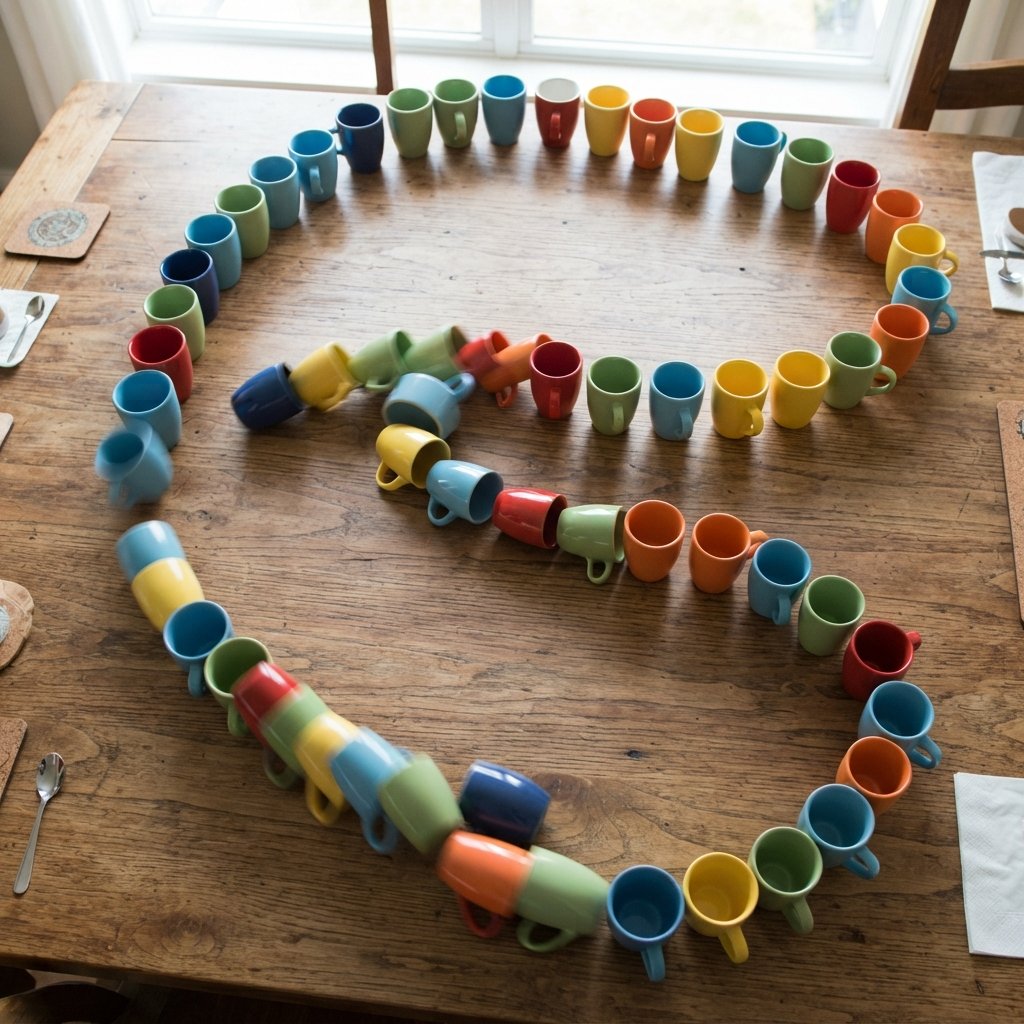
Borrowing from traditional dominoes, this idea arranges cups in a long line so that tipping the first one triggers a chain reaction down the entire row. Spacing and cup weight both affect the outcome.
Builders often spend more time setting up the chain than watching it fall, which adds a patient, methodical quality to the activity. Groups sometimes compete to build the longest unbroken chain possible.
Sensory Cup Sorting Game

Designed with younger players in mind, this idea involves sorting cups by color, size, or texture into designated groups. It works especially well as a calm activity between more high-energy games.
Adding textured materials inside each cup introduces an extra sensory layer for younger children. Teachers and caregivers often use this format to gently support early sorting and categorization skills through hands-on play.
Cup Maze Building Idea
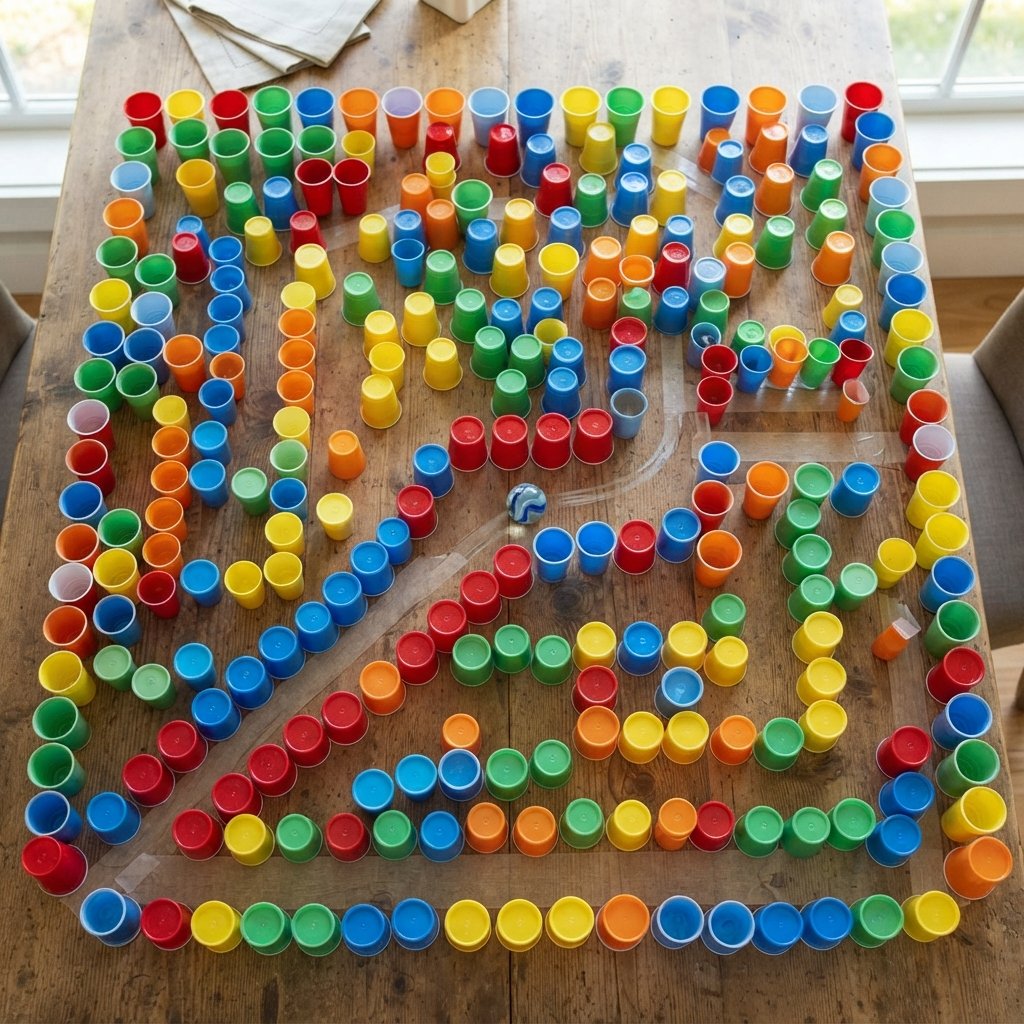
Players arrange cups into a maze-like layout, then guide a small ball or marble through the path using tilts, taps, or careful nudges. Complexity increases as more cups and turns get added.
Testing different layouts before settling on a final design adds a light planning element to this idea. Group versions sometimes challenge players to guide the object through someone else’s completed maze design.
Reverse Pyramid Cup Idea
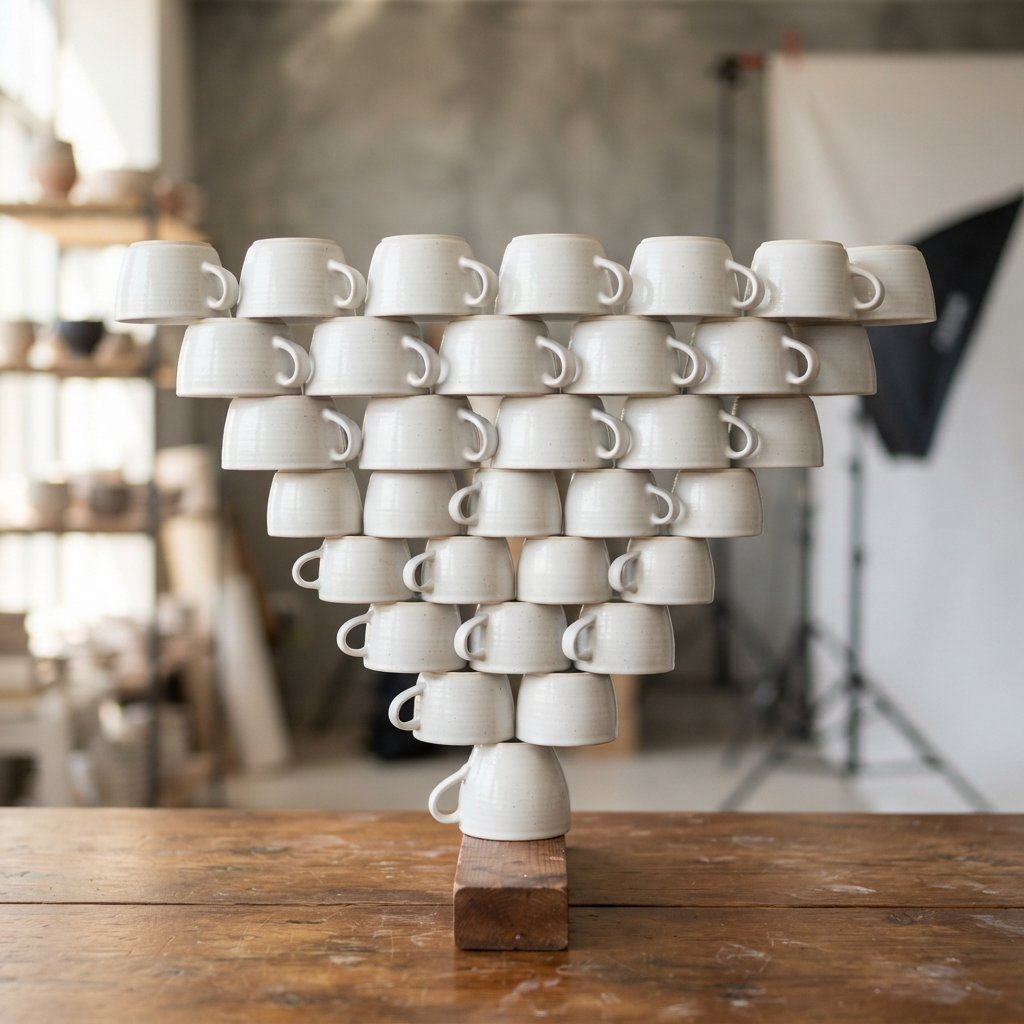
Flipping the traditional pyramid format upside down, this idea starts with a single cup at the base and widens as it builds upward. Balance becomes noticeably trickier the higher the structure grows.
Because the widest section sits at the top, players must move slowly and adjust weight distribution carefully. This variation tends to feel more delicate than a standard pyramid, rewarding a steady hand throughout.
Cup Pattern Memory Game
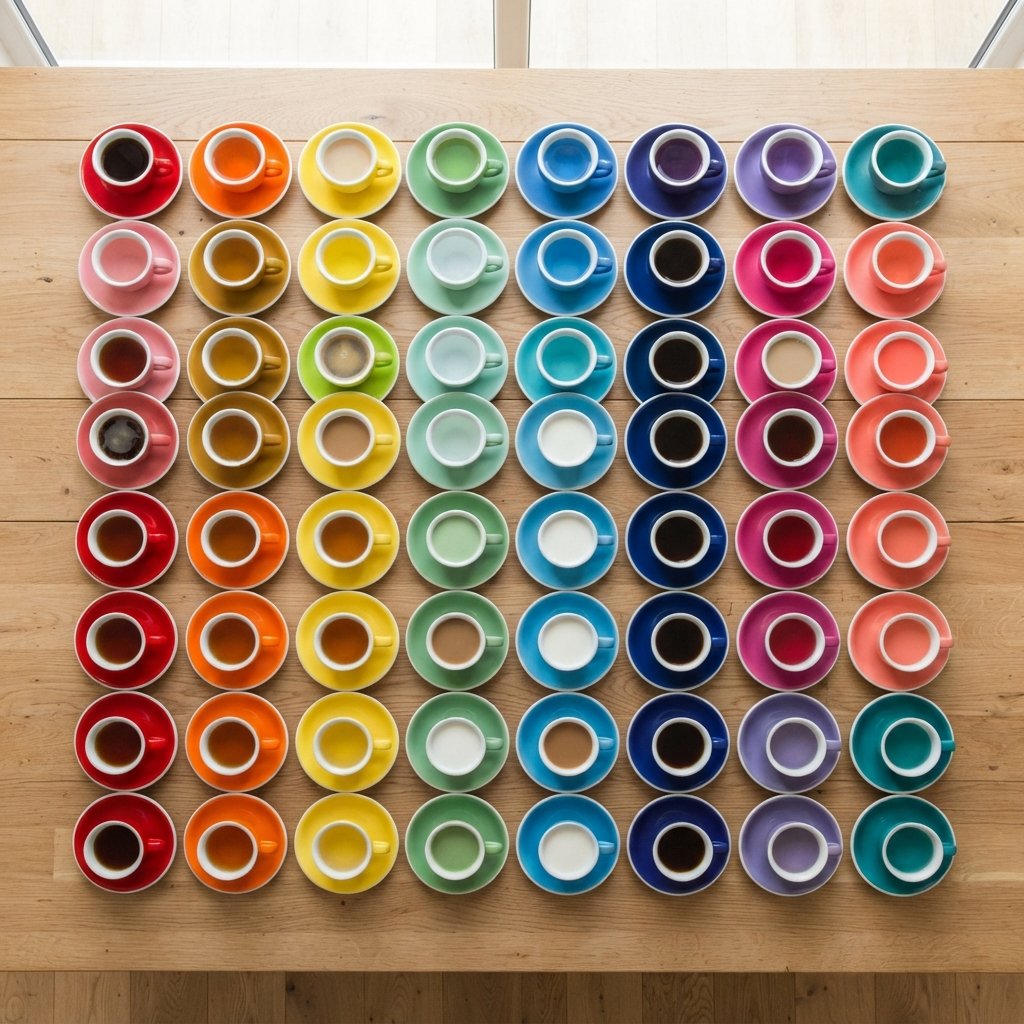
This idea challenges players to observe, then recreate, a specific arrangement of cups after a short viewing period. Colors, positions, and stacking order all become details worth remembering under time pressure.
Increasing the number of cups or shortening the viewing time raises the difficulty for more advanced players. This format doubles as a lighthearted way to practice short-term memory and attention to visual detail.
One-Handed Cup Stack Idea
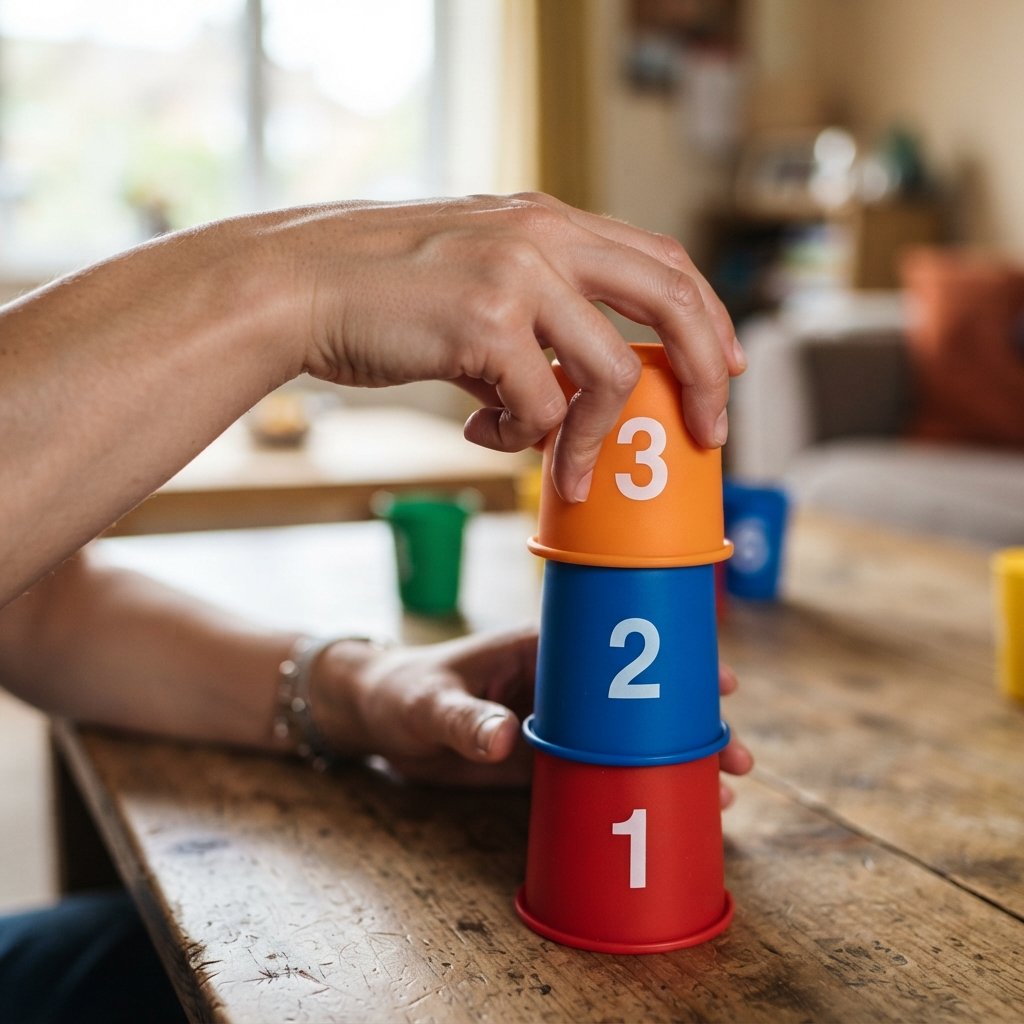
Restricting stacking to a single hand adds an unexpected layer of difficulty to an otherwise familiar activity. Players quickly discover that grip, balance, and cup placement all require noticeably more care.
Switching hands partway through a round introduces variety for players who want an additional challenge. This idea works well as a quick, informal contest that needs no extra setup beyond a stack of cups.
Cup Bowling Setup Idea
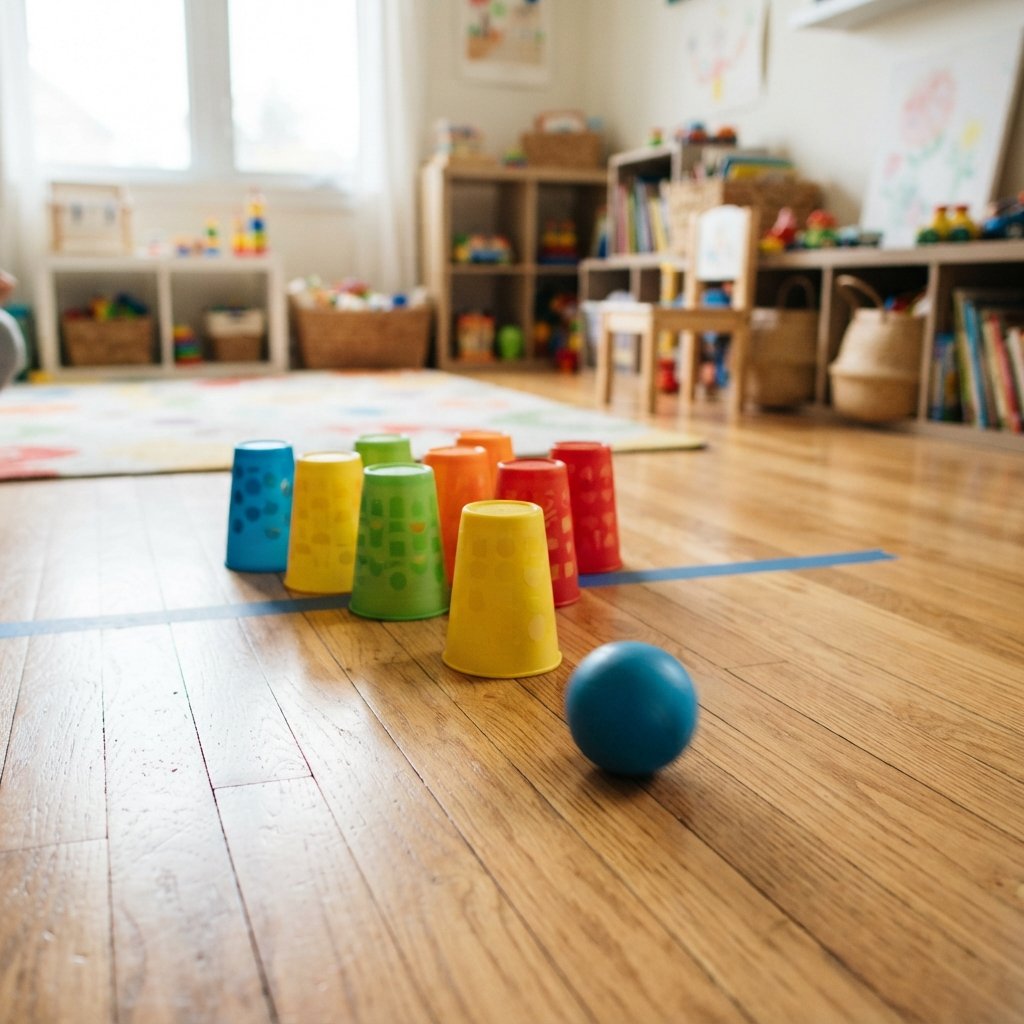
Arranged like miniature bowling pins, cups get lined up so players can knock them down using a rolled ball. Scoring depends on how many cups fall with each attempt at the lineup.
Adjusting the distance between the thrower and the cup arrangement changes difficulty instantly for different skill levels. This idea travels well too, since a flat surface and a handful of cups are all that is needed.
Cooperative Cup Building Game
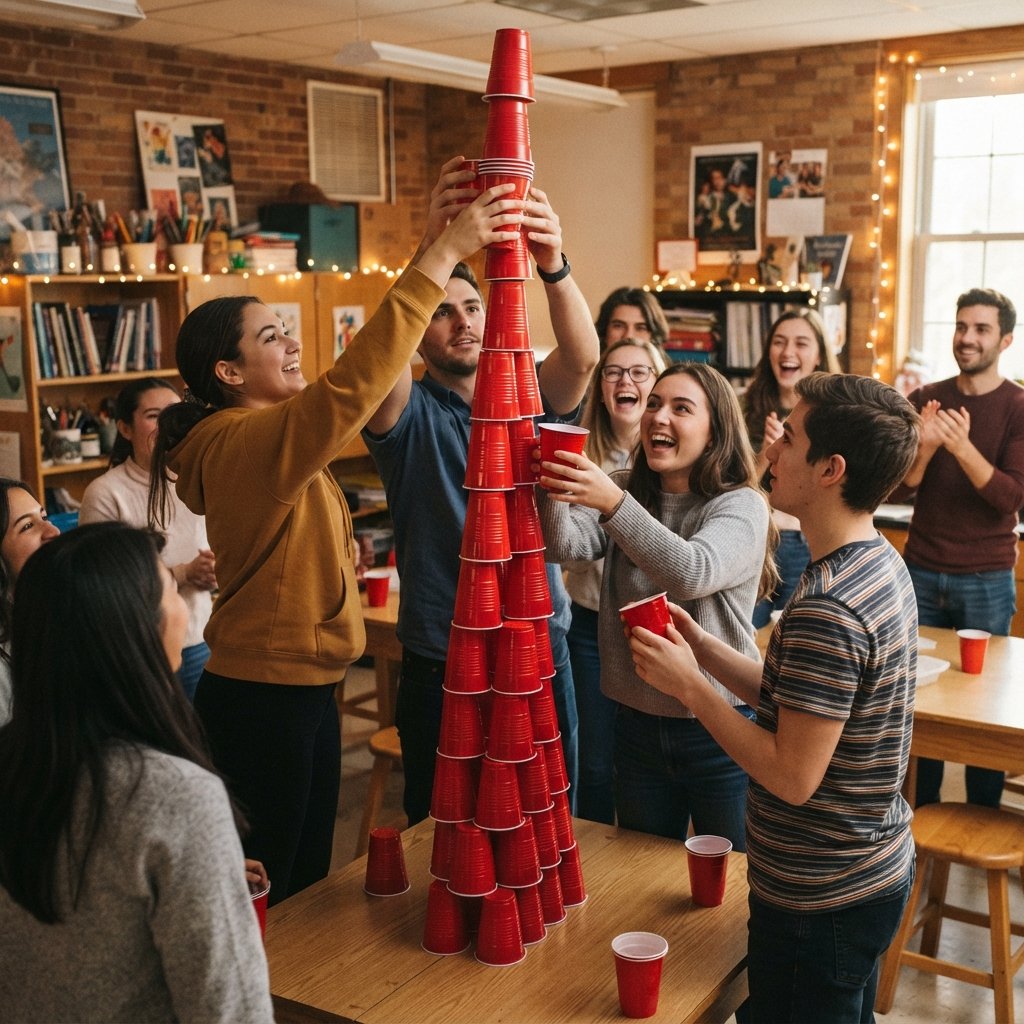
Rather than competing, players work together toward one shared structure, taking turns adding cups without causing a collapse. Communication and gentle movements matter far more here than speed or individual achievement.
Groups often set a joint goal, like reaching a certain height, before the activity officially begins. This cooperative approach makes the idea especially popular in classrooms and team-building settings that value shared effort.
Timed Cup Sequence Idea
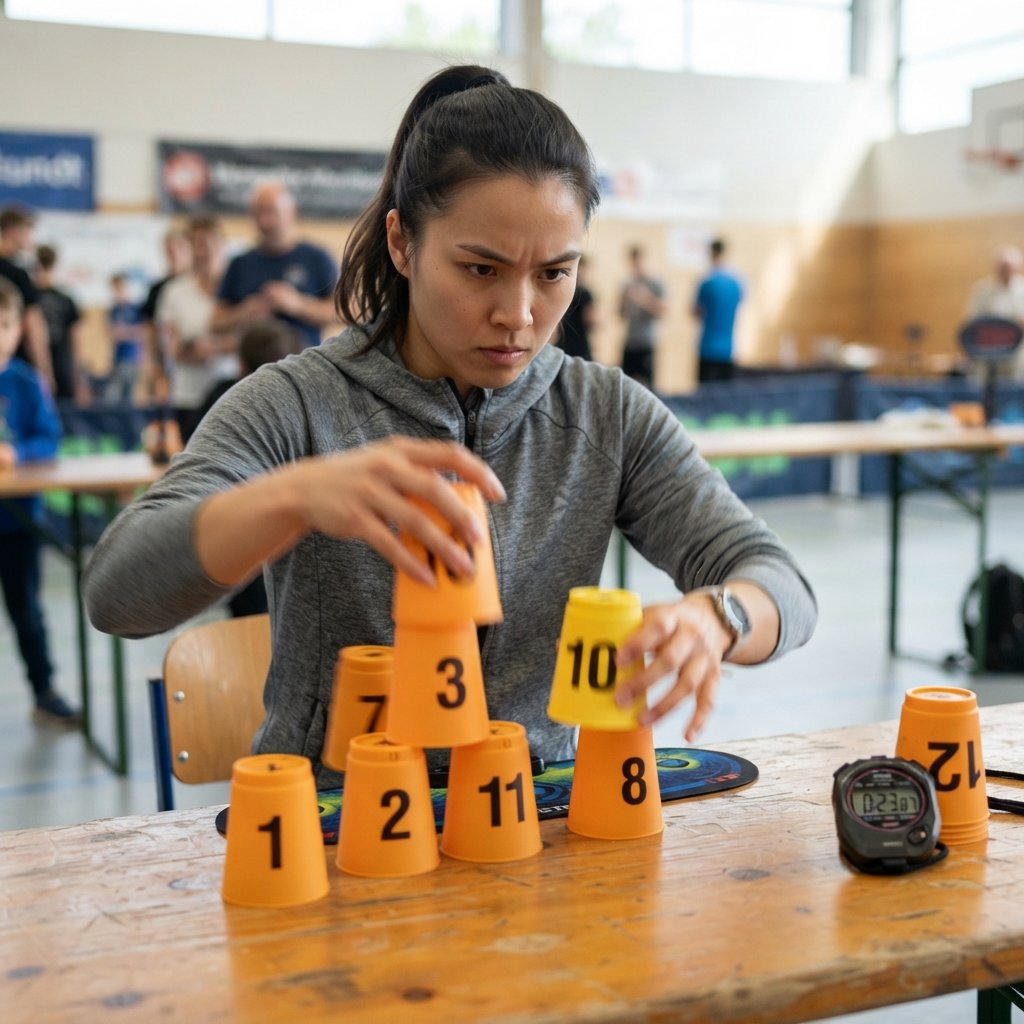
Players follow a specific numbered or colored sequence while stacking, unstacking, and rearranging cups against a running clock. Accuracy matters just as much as speed, since skipped steps typically restart the attempt.
Repeating the same sequence multiple times allows players to track improvement over several rounds. This format appeals to players who enjoy measurable progress and the satisfaction of shaving seconds off a previous attempt.
Creative Cup Sculpture Idea
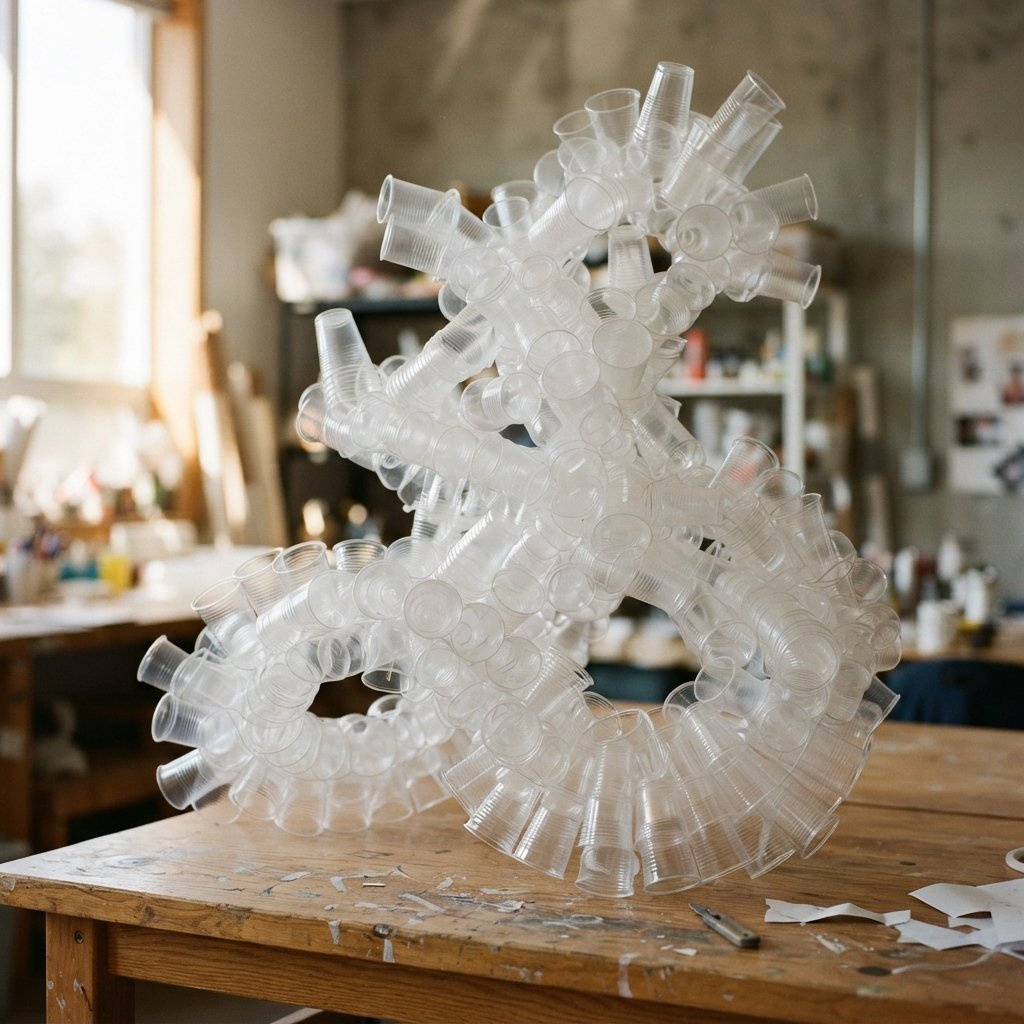
Moving away from competition entirely, this idea invites players to build freeform sculptures using cups as their only material. There are no set rules beyond using the cups creatively and thoughtfully.
Adding tape, string, or paper allows for even more elaborate designs beyond simple stacking. This open-ended format works particularly well for group activities where creativity matters more than speed or precision.
FAQs About Cup Games
What are the easiest cup games to start with?
Simple stacking and balancing games tend to be the easiest starting point for beginners. They require no special skills, just a steady hand and a few cups to practice with immediately.
Can cup games be played alone or do they need groups?
Many cup games ideas work well solo, especially stacking, flipping, and memory-based versions. Group settings simply add a competitive or cooperative layer to activities that already function independently.
What materials are needed for most cup games?
Most ideas only require a set of plastic or paper cups and a flat surface. A few variations add small extras like balls, water, or a stopwatch for timing purposes.
Are cup games suitable for kids and adults alike?
Yes, difficulty can be adjusted through cup count, timing, or added restrictions like blindfolds. This flexibility makes cup games ideas suitable for classrooms, family gatherings, and adult get-togethers alike.
How can cup games help build focus and coordination?
Stacking, balancing, and rhythm-based versions all demand steady hands and careful timing. Repeated practice naturally sharpens coordination, patience, and short-term memory without feeling like a structured lesson.
Conclusion
Cup games prove that entertainment does not need expensive equipment or complicated rules to feel genuinely engaging. A simple stack of cups can turn into a memory test, a building challenge, or a full team competition depending on the mood.
Whichever idea you choose to try first, treat it as a flexible starting point rather than a fixed script. The real value in cup games comes from adapting them freely, mixing formats, and discovering new variations along the way.



One Comment